
The Shepherd's Mind Goes Online!
Kathleen Tiu • October 23, 2016

We are excited to announce that the first issue of The Shepherd's Mind for SY 2016-2017 is now available online.
Please click here
to access the digital version. Should you need a paper copy, please feel free to contact our Administrative Office at admissions@pasiggreenpasture.com
or at 451-1574.
Enjoy!
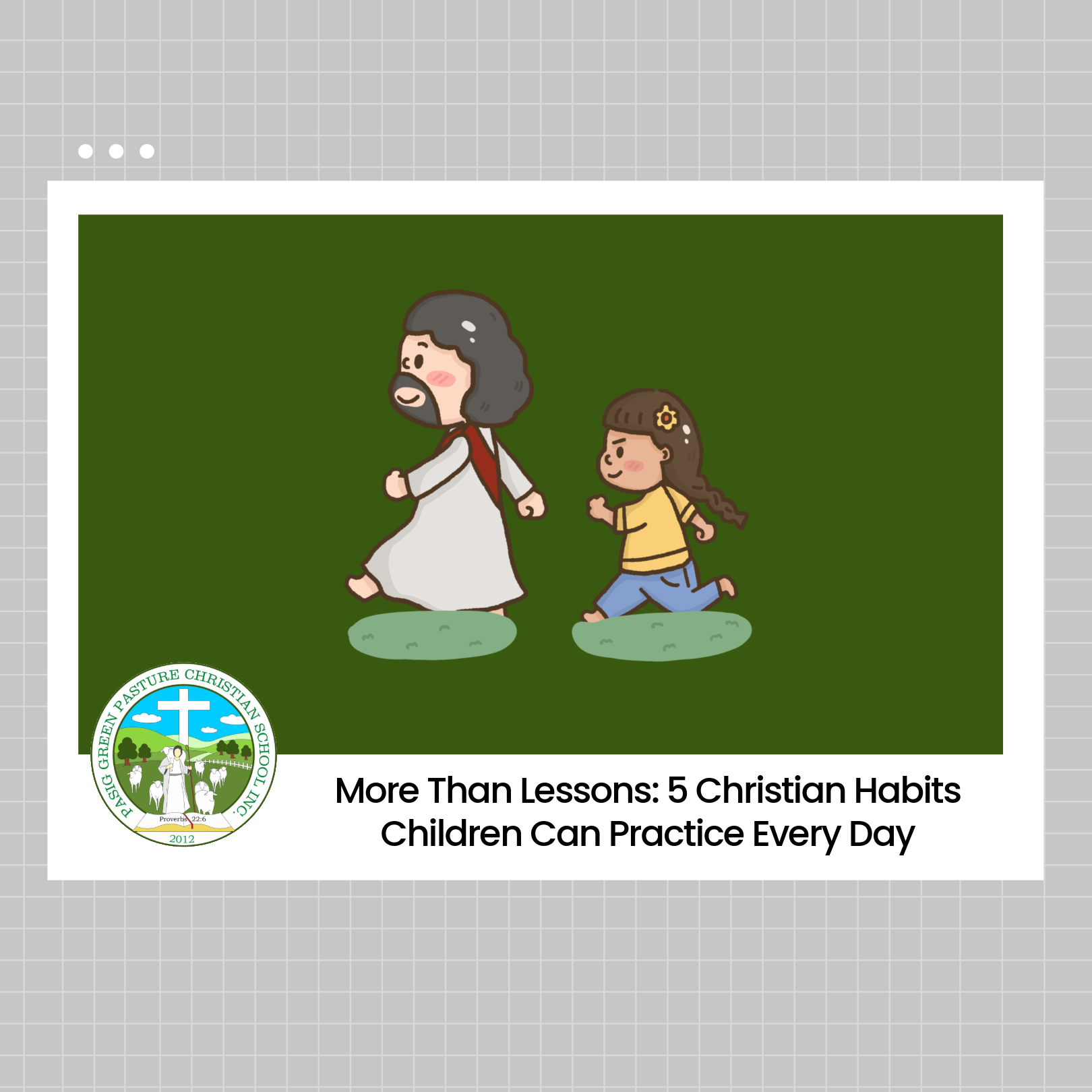
Christian learning doesn’t only happen inside a classroom, during Bible study, or on Sunday. Some of the most important lessons children can learn are the ones they practice every day . As parents and educators, we have the opportunity to help children understand that being a Christian is not simply about knowing Bible stories—it is about allowing God’s Word to shape how we think, speak, treat others, and make decisions. Here are five simple Christian lessons children can practice every day. 1. Start the Day with Prayer Prayer teaches children that they can talk to God about anything—their worries, hopes, plans, and even the little things that happen during their day. A simple morning prayer can help children begin their day with gratitude and remind them that they don't have to face challenges alone. For parents, this can be as simple as asking, “What would you like us to pray for today?” Prayer builds a habit of turning to God, not only when something goes wrong, but also when everything is going well. 2. Practice Kindness Kindness is one of the simplest ways children can live out their Christian faith. Holding the door, sharing, helping a classmate, saying thank you, listening when someone is speaking, or checking on a friend who is sad may seem like small actions—but they teach children something important: how we treat people matters. Children should learn that kindness isn't something we do only when someone is watching or when we expect something in return. We are kind because it is the right thing to do. 3. Choose Words That Build Others Up Children have powerful words. A simple “You can do it!” can encourage someone. A “Thank you” can make someone feel appreciated. And an apology can begin to repair a relationship. Christian learning should therefore include learning how to use words wisely. Before speaking, children can learn to ask themselves: Is it true? Is it kind? Is it helpful? This doesn't mean children should never express anger or disagreement. Instead, they can learn to communicate honestly without intentionally hurting others . 4. Learn to Forgive Children will experience disagreements. Friends may hurt their feelings. Siblings may argue. Someone may say something unkind. Learning forgiveness helps children understand that holding on to anger does not make the hurt disappear. Forgiveness doesn't mean pretending that something wrong never happened. It means learning to release resentment and choosing not to repay hurt with more hurt. This is a lesson that becomes increasingly important as children grow into adults. 5. Read and Apply God's Word Reading the Bible is important—but Christian learning goes beyond simply memorizing verses. Children should also learn to ask: “What does this teach me, and how can I practice it today?” If a child learns about honesty, they can practice telling the truth. If they learn about kindness, they can look for someone to help. If they learn about forgiveness, they can practice letting go of anger. This is where faith becomes part of everyday life. Christian Learning Is a Daily Journey Children don't need to become perfect overnight. They need consistent opportunities to learn, practice, make mistakes, and try again . The goal of Christian education is not simply to fill a child's mind with information. It is to help shape a heart that knows what is right and gradually learns to live it out. For parents, the most powerful lessons often happen through example. Children watch what we do, how we speak, how we respond when we're angry, and how we treat people when nobody is watching. Christian learning truly becomes meaningful when it moves from what we know to how we live. 📖 Bible Verse to Remember “Train up a child in the way he should go: and when he is old, he will not depart from it.” — Proverbs 22:6 (KJV)

Love is more than saying “I love you.” It is shown through kindness, patience, forgiveness, and caring for others. Here are three beautiful Bible verses that remind us what true love looks like: ❤️ 1 Corinthians 13:4–5 – “Love is patient, love is kind…” ❤️ John 15:12 – “Love one another as I have loved you.” ❤️ 1 John 4:19 – “We love because He first loved us.” The greatest love we can share begins with God’s love for us. When we fill our hearts with His love, our words and actions become a blessing to everyone around us.
Everyone gets angry sometimes—even children and adults. But as Christians, God teaches us to choose our words carefully, especially when emotions are strong. Before speaking, try asking yourself: ❤️ Will my words help or hurt? ❤️ Would Jesus be happy with what I’m about to say? ❤️ Can I speak calmly instead? The Bible reminds us in James 1:19: “Everyone should be quick to listen, slow to speak and slow to become angry.” A calm heart and kind words can solve many problems. Choosing gentle words doesn’t make us weak—it shows strength, wisdom, and God’s love.

Loving the Philippines isn’t only shown by waving our flag or celebrating our culture. We also show love for our country through the words we choose every day. Children can love their country by: 🇵🇭 Speaking Filipino with respect and pride. 💚 Using kind words instead of hurtful ones. 🤝 Encouraging classmates instead of teasing them. 🙏 Praying for our leaders, communities, and nation. 😊 Speaking honestly and respectfully wherever they go. Every kind word helps build a kinder school, a stronger community, and a better Philippines. Let’s use our voices to spread hope, respect, and love for our country.
Words are powerful. They can comfort a friend, encourage someone who is sad, and show God’s love to others. As we celebrate Buwan ng Wika, let’s remember that the words we speak should always honor God. Here are five Bible verses every child should remember: 💚 Proverbs 16:24 – “Gracious words are a honeycomb, sweet to the soul and healing to the bones.” 💚 Ephesians 4:29 – “Do not let any unwholesome talk come out of your mouths, but only what is helpful for building others up.” 💚 Proverbs 15:1 – “A gentle answer turns away wrath, but a harsh word stirs up anger.” 💚 Colossians 4:6 – “Let your conversation be always full of grace.” 💚 Psalm 19:14 – “May the words of my mouth… be pleasing in your sight, Lord.” Let’s use our words to encourage, uplift, and share God’s love every day.
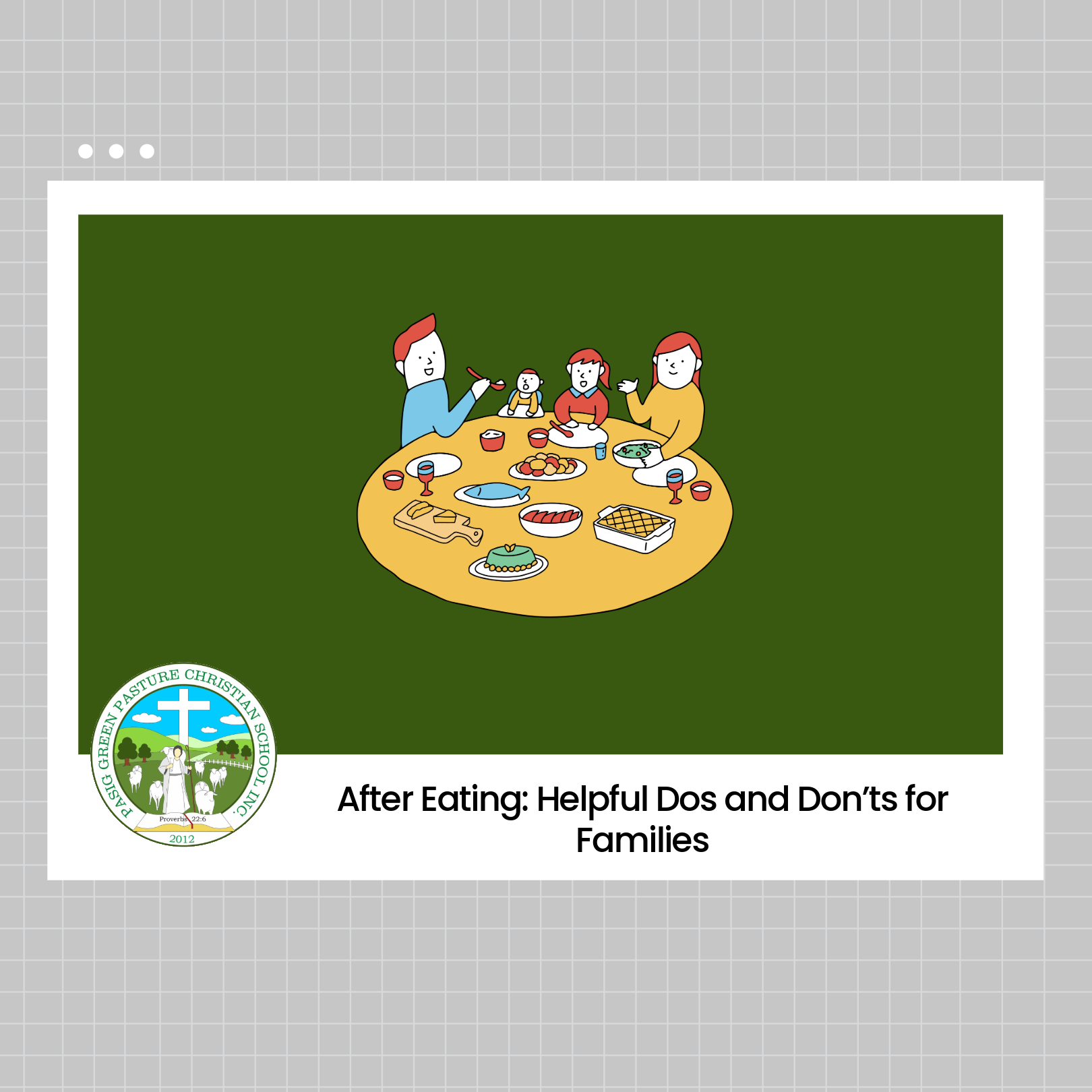
Many people focus on what they eat but forget that what they do after eating can also affect their health. Here are some simple dos and don’ts to remember: DO 🚶 Take a gentle walk. A short walk can help support digestion and encourage family bonding. 💧 Drink water in moderation. Staying hydrated is important throughout the day. 😊 Spend time together. Conversations after meals help strengthen family relationships. DON’T 🛏️ Lie down immediately. This may increase the chance of indigestion and discomfort. 🍰 Eat another heavy meal right away. Give your body time to digest properly. 📱 Spend all your time on gadgets. Family mealtime should be followed by meaningful interactions whenever possible. Healthy living isn’t about perfection. It’s about making small, consistent choices that help families feel their best every day. Good habits at the table—and after the table—can benefit children for years to come.
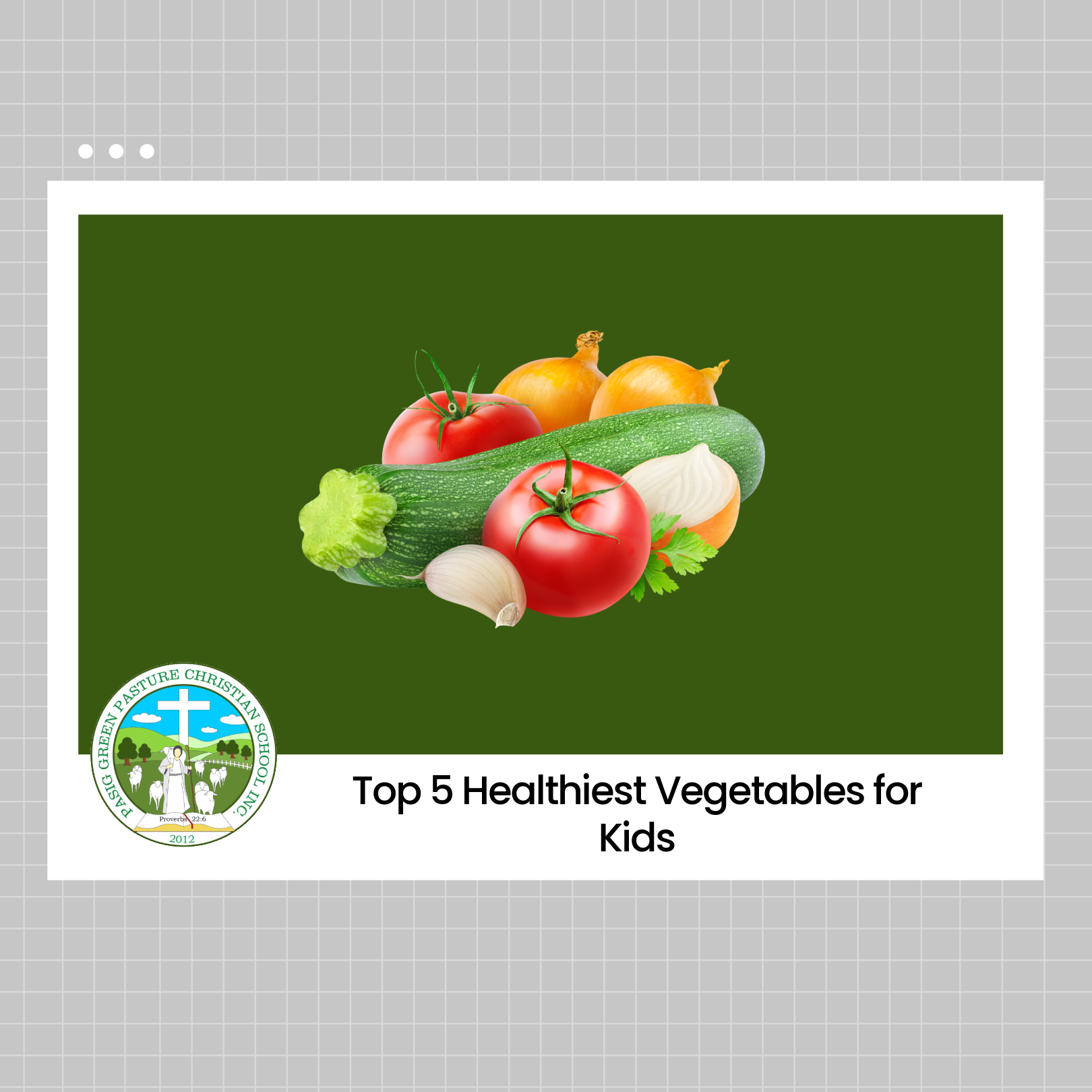
Vegetables may not always be a child’s favorite food, but they play a huge role in supporting healthy growth and development. Here are five vegetables every family should consider including in meals: 🥕 Carrots – Excellent for eye health and rich in Vitamin A. 🥦 Broccoli – Loaded with vitamins, minerals, and fiber. 🥬 Spinach – Contains iron and nutrients that support growth. 🎃 Squash – Naturally sweet and packed with vitamins. 🫛 Green Beans – Easy to prepare and full of nutrients. One helpful tip for parents: make vegetables fun by adding color, creativity, and variety to meals. Healthy eating doesn’t have to be complicated—it starts with simple choices at the family table.
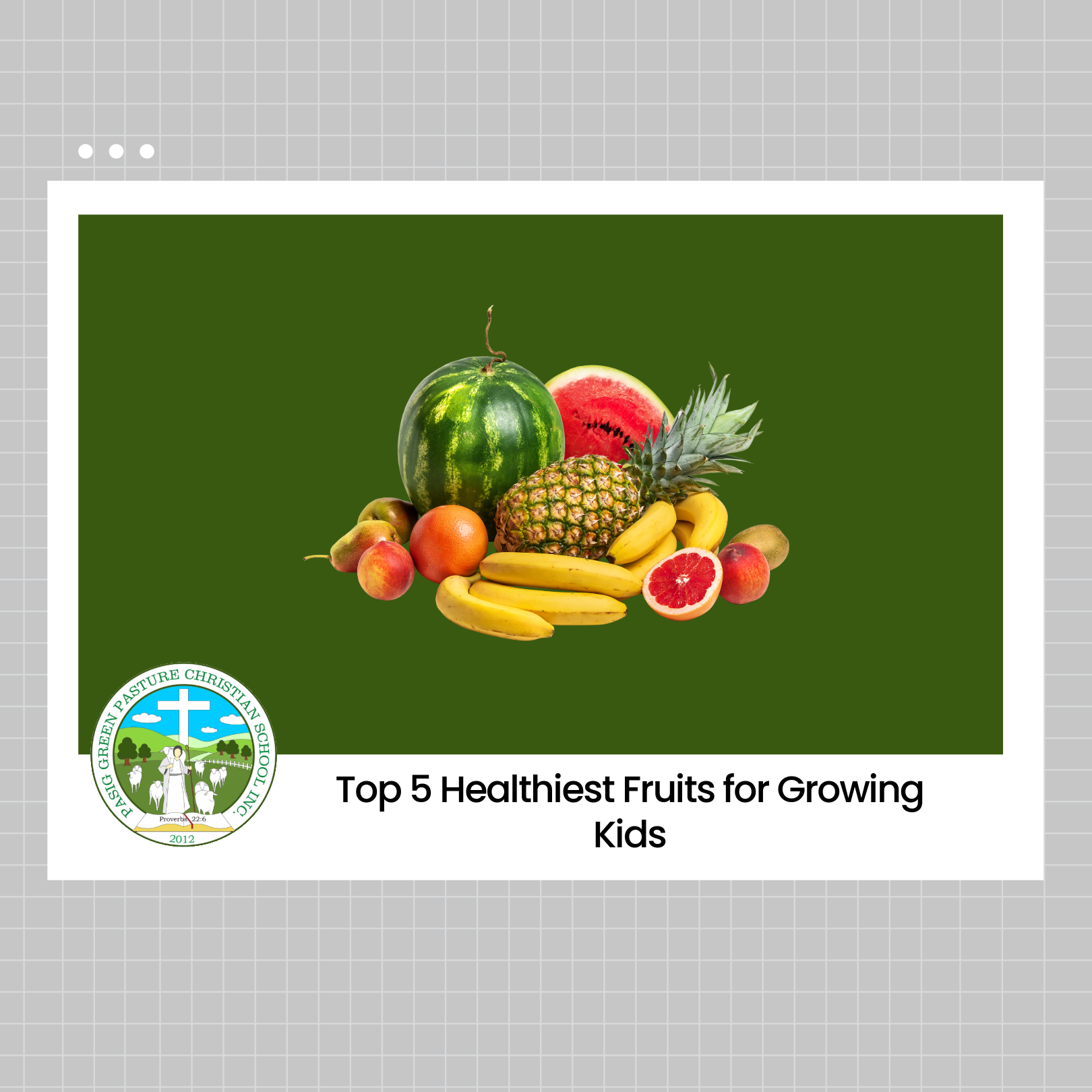
Fruits are nature’s healthy snacks. They provide important vitamins, minerals, and fiber that help children grow strong and stay healthy. Here are five fruits worth adding to your family’s menu: 🍎 Apples – Great source of fiber and easy to bring to school. 🍌 Bananas – Packed with potassium and energy. 🍊 Oranges – Rich in Vitamin C to help support immunity. 🥭 Mangoes – A Filipino favorite filled with vitamins and antioxidants. 🍉 Watermelon – Hydrating and refreshing, especially during warm weather. While all fruits offer benefits, variety is key. Encourage children to try different fruits and discover their favorites. Healthy eating habits developed during childhood often last a lifetime.
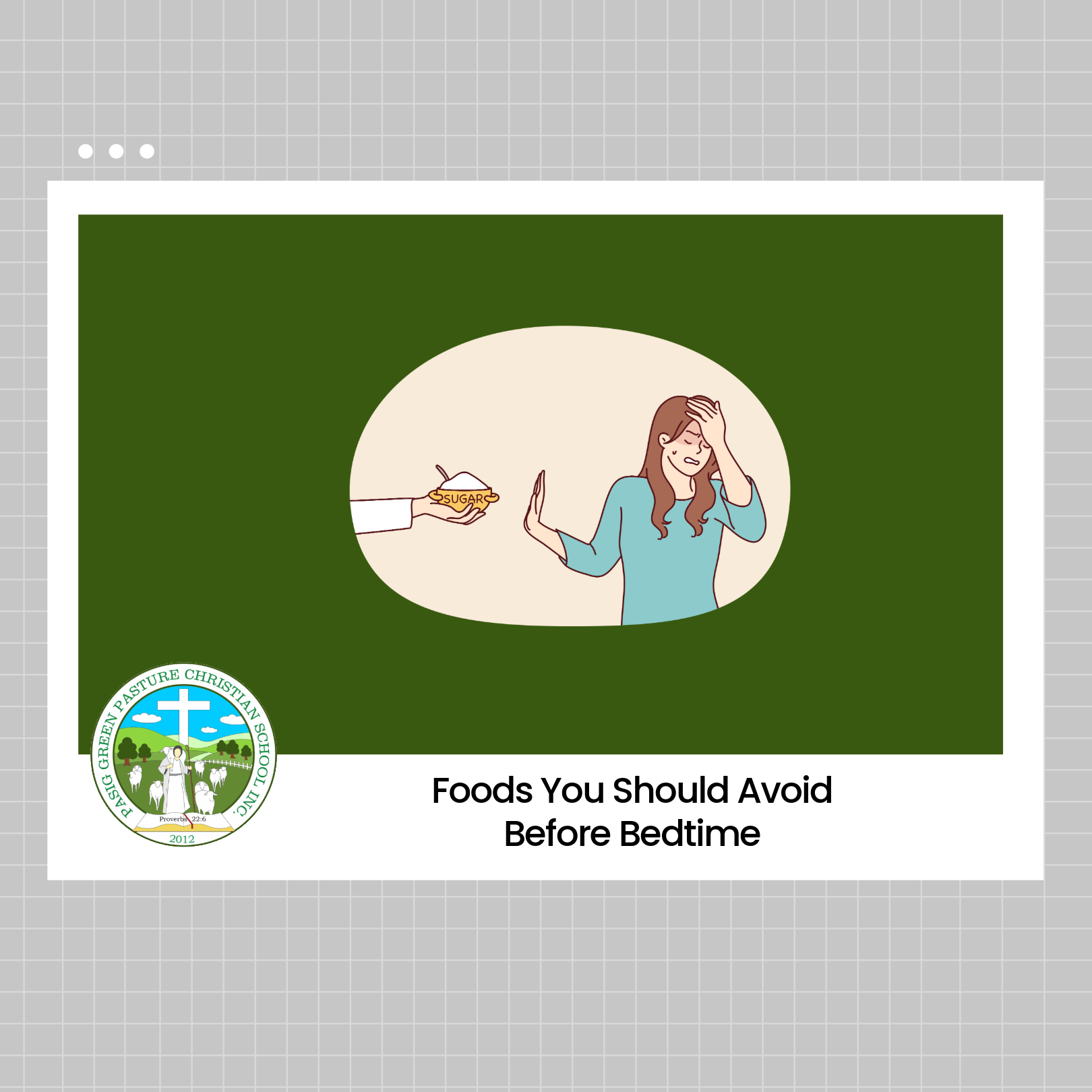
A good night’s sleep helps children learn better, stay focused in school, and maintain a healthy mood. However, certain foods can make it harder to fall asleep. Here are some foods best avoided before bedtime: 🍫 Chocolate – Contains caffeine that may keep children awake. 🍟 Fried Foods – Can be difficult to digest and may cause discomfort. 🥤 Soft Drinks – Often contain sugar and caffeine that can interfere with sleep. 🍕 Heavy Meals – Large portions late at night can make the body work harder when it should be resting. 🍬 Sugary Treats – May lead to energy spikes right before bed. Instead, encourage water, fruits, or light snacks if your child feels hungry before sleeping. Healthy sleep habits are just as important as healthy eating habits.
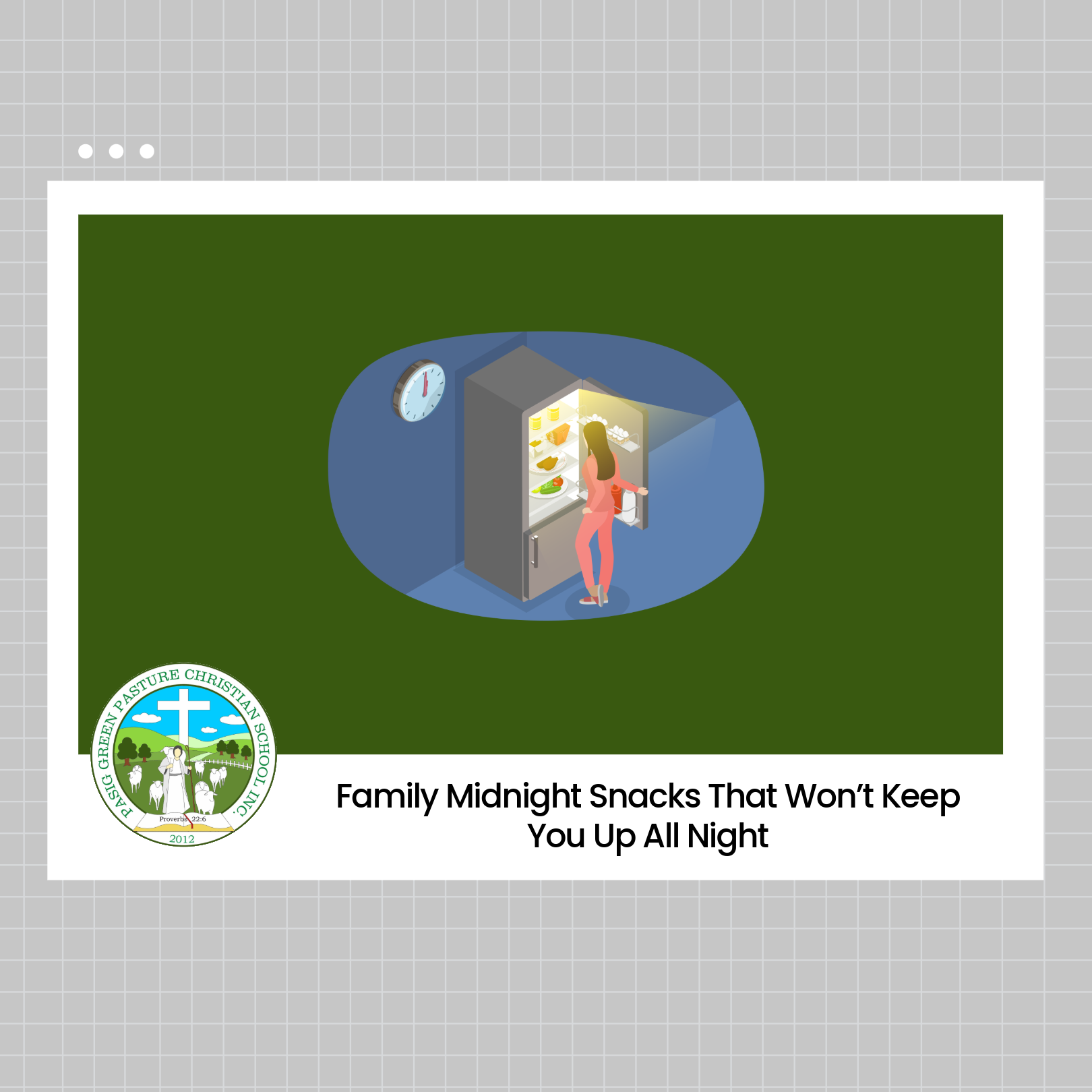
Weekend family movie nights often come with a craving for snacks. While chips, candy, and sugary treats may be tempting, choosing healthier options can help both children and adults sleep better and feel more energized the next day. Here are some family-friendly midnight snack ideas: 🍌 Bananas – Rich in potassium and easy to digest. 🥛 Warm Milk – A classic bedtime drink that can be comforting and filling. 🍿 Air-Popped Popcorn – Light, crunchy, and perfect for family movie nights. 🍓 Fresh Fruits – Strawberries, apples, and grapes satisfy sweet cravings naturally. 🥜 A Small Handful of Nuts – Provides healthy fats and helps curb hunger. Remember, midnight snacks should be light and enjoyed in moderation. The goal is to create happy family moments without sacrificing a good night’s sleep. Healthy habits start at home—and every small choice makes a difference.