Why We Must Raise Godly Leaders in This Generation

Kathleen Tiu • October 29, 2025

Our times are changing quickly; while voices are being heard, values are dwindling; influence frequently triumphs over honesty; and leadership is occasionally motivated more by popularity than by a sense of purpose. Godly leaders are what the world needs in this generation, not just more leaders.


At Pasig Green Pasture Christian School Inc., we consider it imperative to raise godly leaders.


Leadership Rooted in God’s Word

True leadership does not begin with ambition; it begins with submission—to God’s will and

wisdom. A godly leader leads not from pride but from purpose, not to be served but to serve.


The Bible reminds us: “But among you it will be different. Whoever wants to be a leader among you must be your servant.” — Matthew 20:26


This kind of leadership transforms communities. It brings light where there is confusion, peace where there is conflict, and hope where there is despair.


Why It Matters Now More Than Ever

Today’s generation faces overwhelming pressures—social media influence, moral confusion, and a growing culture of self-centeredness. Without a strong spiritual foundation, leadership can easily drift into self-promotion and compromise.


That’s why schools, homes, and churches must work together to raise leaders who will stand firm in truth, lead with compassion, and walk in humility. The world needs young people who will dare to live differently—those who will say no to what is wrong and yes to what honors God.


Raising Green Shepherds for God’s Kingdom

At Pasig Green Pasture Christian School iNC. , we see every learner as a potential leader—a Green Shepherd who can make a difference in their family, school, and community. Through Christian education, leadership programs, and spiritual formation, we equip our students to think biblically, act responsibly, and lead faithfully.


Our teachers model servant leadership—guiding by example, showing that leadership is not about position but about influence, character, and heart.


The Legacy We Want to Leave

Raising godly leaders means investing in the next generation with eternal values. It means teaching them that success is not measured by fame or fortune, but by faithfulness to God’s call.


“The righteous who walks in his integrity—blessed are his children after him.” — Proverbs 20:7

As we raise this generation of godly leaders, we are shaping the future of our nation and advancing the Kingdom of God—one heart, one student, one life at a time.


Because when godly leaders rise, nations are strengthened, truth is upheld, and God’s light shines brighter in the world.

By Kathleen Tiu August 5, 2026
Words are powerful. They can comfort a friend, encourage someone who is sad, and show God’s love to others. As we celebrate Buwan ng Wika, let’s remember that the words we speak should always honor God. Here are five Bible verses every child should remember: πŸ’š Proverbs 16:24 – “Gracious words are a honeycomb, sweet to the soul and healing to the bones.” πŸ’š Ephesians 4:29 – “Do not let any unwholesome talk come out of your mouths, but only what is helpful for building others up.” πŸ’š Proverbs 15:1 – “A gentle answer turns away wrath, but a harsh word stirs up anger.” πŸ’š Colossians 4:6 – “Let your conversation be always full of grace.” πŸ’š Psalm 19:14 – “May the words of my mouth… be pleasing in your sight, Lord.” Let’s use our words to encourage, uplift, and share God’s love every day.
By Kathleen Tiu July 29, 2026
Many people focus on what they eat but forget that what they do after eating can also affect their health. Here are some simple dos and don’ts to remember: DO 🚢 Take a gentle walk. A short walk can help support digestion and encourage family bonding. πŸ’§ Drink water in moderation. Staying hydrated is important throughout the day. 😊 Spend time together. Conversations after meals help strengthen family relationships. DON’T πŸ›οΈ Lie down immediately. This may increase the chance of indigestion and discomfort. 🍰 Eat another heavy meal right away. Give your body time to digest properly. πŸ“± Spend all your time on gadgets. Family mealtime should be followed by meaningful interactions whenever possible. Healthy living isn’t about perfection. It’s about making small, consistent choices that help families feel their best every day. Good habits at the table—and after the table—can benefit children for years to come.
By Kathleen Tiu July 22, 2026
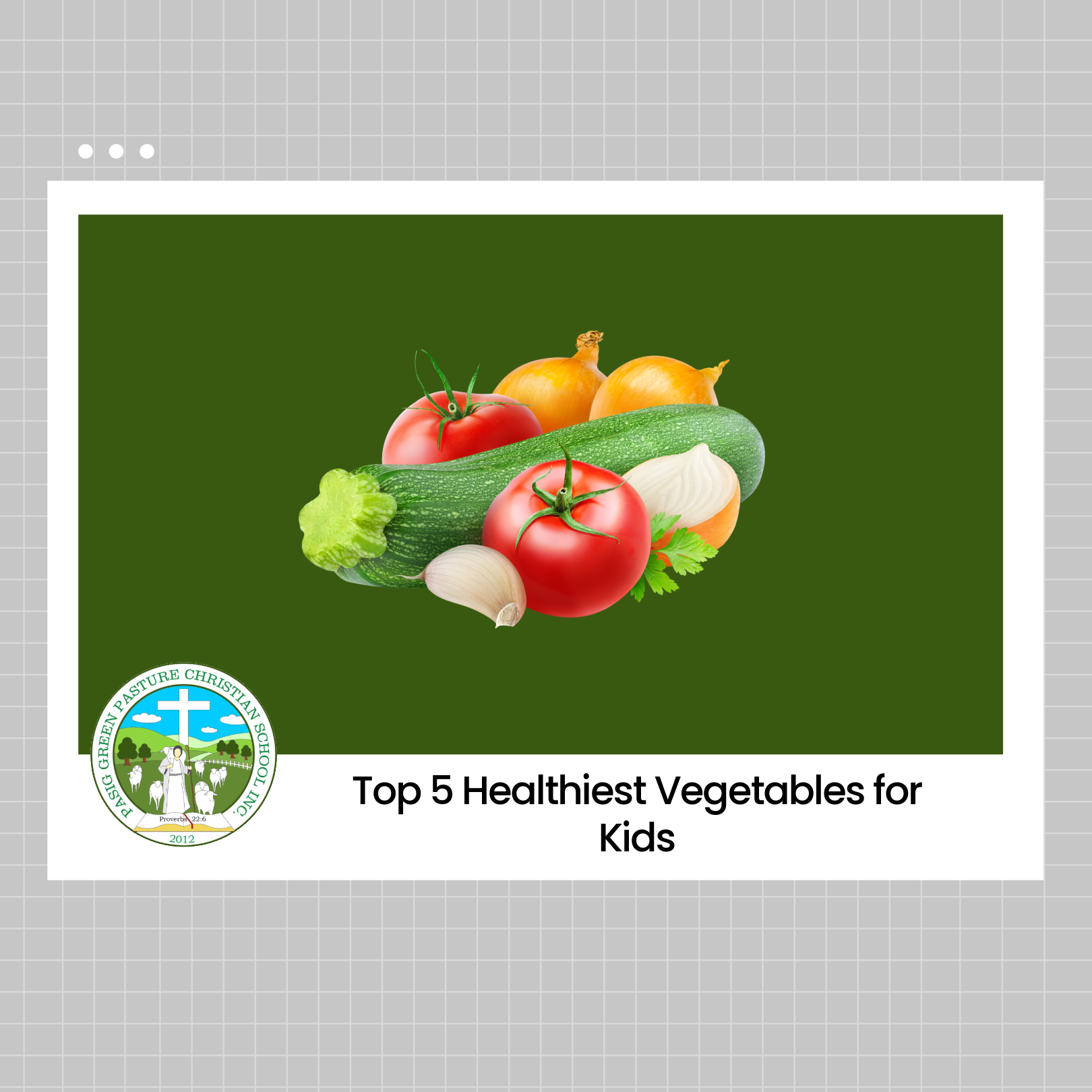
Vegetables may not always be a child’s favorite food, but they play a huge role in supporting healthy growth and development. Here are five vegetables every family should consider including in meals: πŸ₯• Carrots – Excellent for eye health and rich in Vitamin A. πŸ₯¦ Broccoli – Loaded with vitamins, minerals, and fiber. πŸ₯¬ Spinach – Contains iron and nutrients that support growth. πŸŽƒ Squash – Naturally sweet and packed with vitamins. πŸ«› Green Beans – Easy to prepare and full of nutrients. One helpful tip for parents: make vegetables fun by adding color, creativity, and variety to meals. Healthy eating doesn’t have to be complicated—it starts with simple choices at the family table.
By Kathleen Tiu July 15, 2026
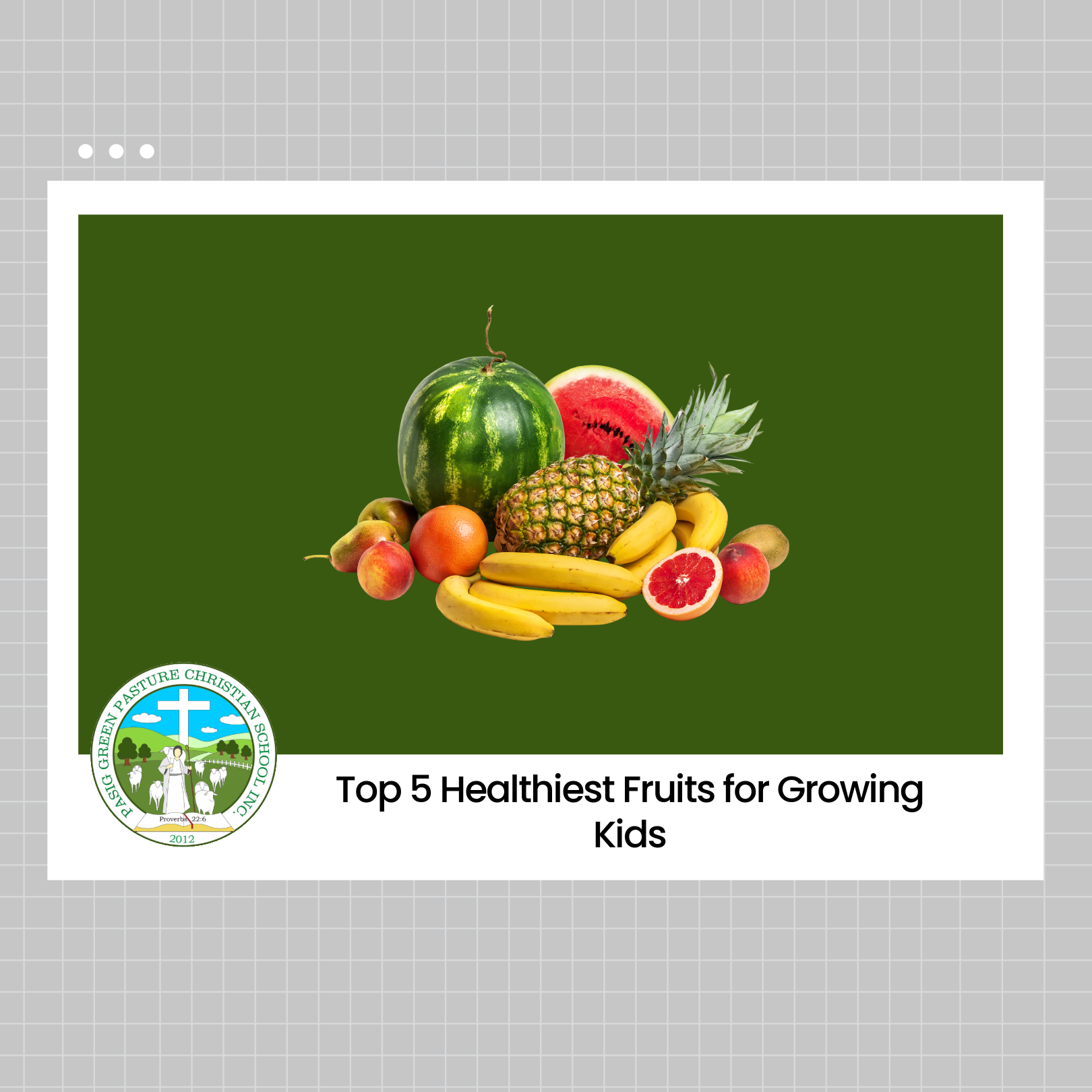
Fruits are nature’s healthy snacks. They provide important vitamins, minerals, and fiber that help children grow strong and stay healthy. Here are five fruits worth adding to your family’s menu: 🍎 Apples – Great source of fiber and easy to bring to school. 🍌 Bananas – Packed with potassium and energy. 🍊 Oranges – Rich in Vitamin C to help support immunity. πŸ₯­ Mangoes – A Filipino favorite filled with vitamins and antioxidants. πŸ‰ Watermelon – Hydrating and refreshing, especially during warm weather. While all fruits offer benefits, variety is key. Encourage children to try different fruits and discover their favorites. Healthy eating habits developed during childhood often last a lifetime.
By Kathleen Tiu July 8, 2026
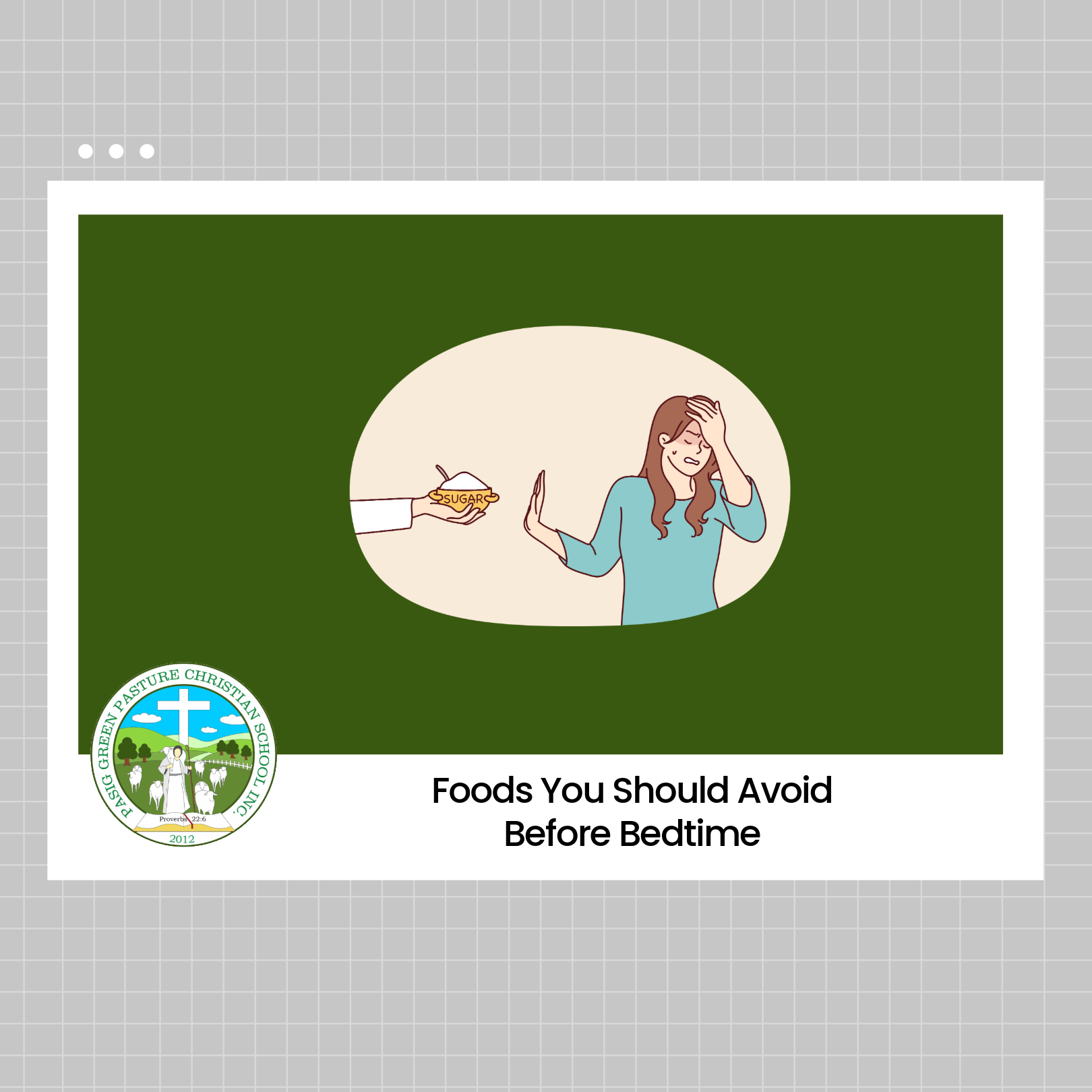
A good night’s sleep helps children learn better, stay focused in school, and maintain a healthy mood. However, certain foods can make it harder to fall asleep. Here are some foods best avoided before bedtime: 🍫 Chocolate – Contains caffeine that may keep children awake. 🍟 Fried Foods – Can be difficult to digest and may cause discomfort. πŸ₯€ Soft Drinks – Often contain sugar and caffeine that can interfere with sleep. πŸ• Heavy Meals – Large portions late at night can make the body work harder when it should be resting. 🍬 Sugary Treats – May lead to energy spikes right before bed. Instead, encourage water, fruits, or light snacks if your child feels hungry before sleeping. Healthy sleep habits are just as important as healthy eating habits.
By Kathleen Tiu July 1, 2026
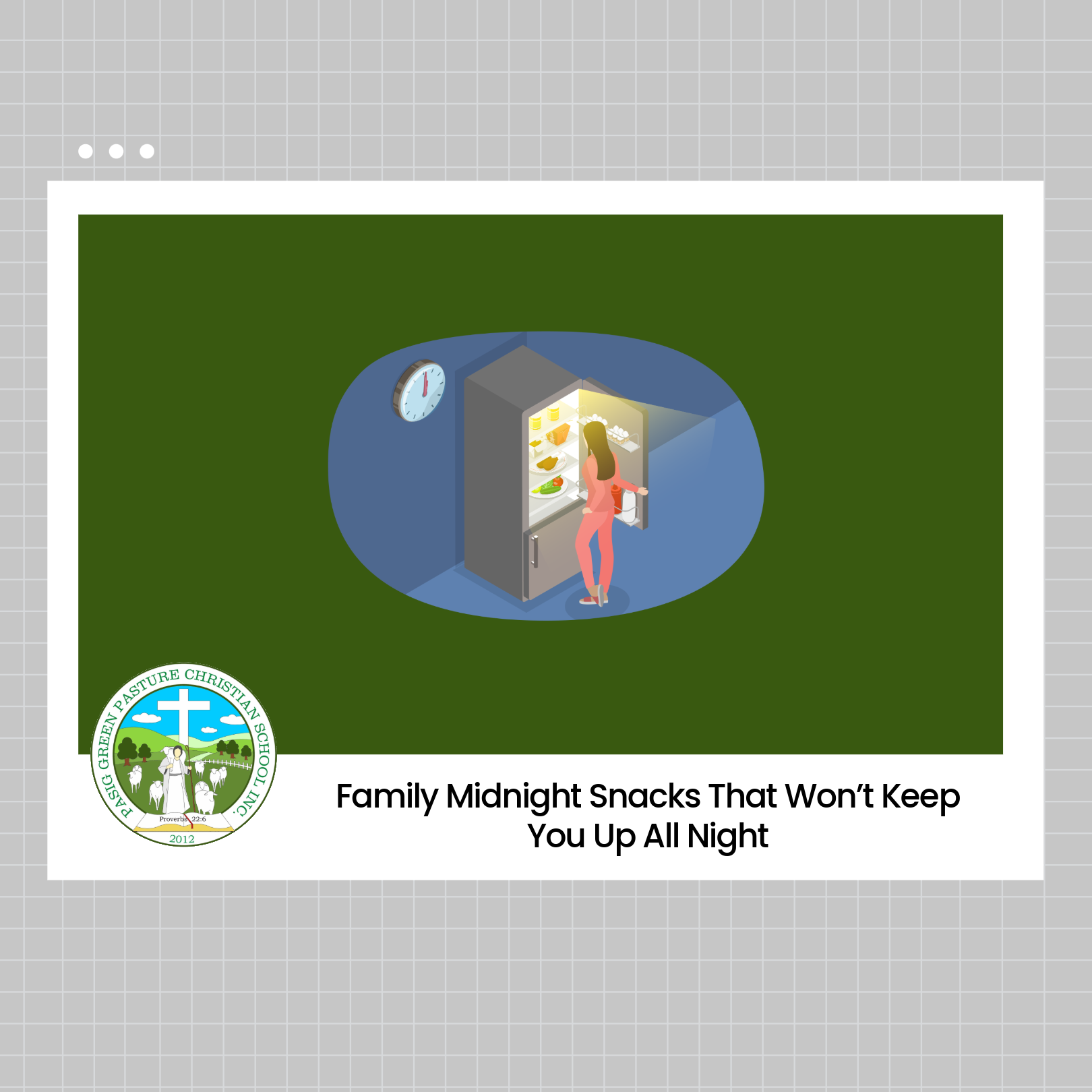
Weekend family movie nights often come with a craving for snacks. While chips, candy, and sugary treats may be tempting, choosing healthier options can help both children and adults sleep better and feel more energized the next day. Here are some family-friendly midnight snack ideas: 🍌 Bananas – Rich in potassium and easy to digest. πŸ₯› Warm Milk – A classic bedtime drink that can be comforting and filling. 🍿 Air-Popped Popcorn – Light, crunchy, and perfect for family movie nights. πŸ“ Fresh Fruits – Strawberries, apples, and grapes satisfy sweet cravings naturally. πŸ₯œ A Small Handful of Nuts – Provides healthy fats and helps curb hunger. Remember, midnight snacks should be light and enjoyed in moderation. The goal is to create happy family moments without sacrificing a good night’s sleep. Healthy habits start at home—and every small choice makes a difference.
Pasig Christian School
By Kathleen Tiu July 1, 2026
School days can be long and active for children. From classroom activities to playtime with friends, kids move around a lot—which is why teaching good hygiene habits early is very important. Staying fresh and clean not only helps children feel comfortable, but also boosts their confidence in school. Here are simple ways parents can help kids stay fresh the whole day: 🧴 Use mild soap and shampoo daily A clean bath before school helps children feel refreshed and energized. πŸ‘• Wear clean clothes and socks Fresh uniforms and properly washed socks help avoid unwanted odor. πŸ’§ Bring a small hygiene kit A hand towel, extra handkerchief, alcohol, and baby wipes can help kids freshen up during the day. πŸͺ₯ Teach proper dental care Brushing teeth before school and after meals keeps their smile fresh and healthy. πŸ₯€ Stay hydrated Drinking water helps regulate body temperature, especially during warm days in school. Good hygiene is an important life skill. Teaching children to care for themselves also teaches responsibility, confidence, and respect for others.
Best Pasig Christian School
By Kathleen Tiu June 24, 2026
Many parents naturally want to reward their children when they do something good. A toy for good grades, money for helping at home, or gifts for behaving well may seem encouraging at first. But while rewards can sometimes be helpful, giving them too often for basic good behavior may send the wrong message to children. Being respectful, kind, honest, or helpful should not always come with a prize. These are not “extra” actions—they are values children should learn to practice naturally as they grow. If children become used to receiving rewards for every good deed, they may begin asking: “What will I get if I do this?” Over time, this can create a mindset where they only do good things when there is something in return. In real life, this is not always how the world works. At school, in friendships, and eventually in the workplace, people are expected to: πŸ’š Respect others πŸ’š Be responsible πŸ’š Work hard πŸ’š Be kind and cooperative —not because they will receive a reward every time, but because these are part of being a good and responsible person. This does not mean parents should never praise their children. In fact, children still need encouragement. But encouragement does not always need to be monetary or material. Sometimes, simple words are enough: πŸ’š “You did a great job helping today.” πŸ’š “Thank you for being kind to your classmate.” πŸ’š “I’m proud of how responsible you were.” These small affirmations help children feel seen and appreciated without teaching them to depend on rewards. There is also a difference between celebrating a meaningful achievement and rewarding basic human decency. A child may deserve a special celebration after months of hard work or reaching a major milestone—but kindness, honesty, and respect should already be part of everyday life. As parents and educators, our goal is not to raise children who are only motivated by rewards. We want to raise children who choose to do what is right because it is good, honorable, and reflects strong character. When children learn this early, they grow into adults who work with integrity, help others sincerely, and continue doing good even when nobody is watching.
Pasig Christian School
By Kathleen Tiu June 17, 2026
Many parents want to help their children as much as possible, but sometimes doing everything for them can prevent them from learning important life skills. Giving children simple house chores teaches responsibility, independence, and teamwork. Here’s why chores matter: 🧹 They learn responsibility Simple tasks like fixing the bed or cleaning toys teach accountability. πŸ’ͺ It builds confidence Children feel proud when they accomplish tasks on their own. πŸ‘¨‍πŸ‘©‍πŸ‘§ It teaches teamwork Kids learn that every family member has a role at home. πŸ•’ They develop discipline and routine Daily chores help children manage time and responsibilities better. ❀️ They appreciate hard work Helping at home teaches children to value effort and care for others. Children do not need to do difficult tasks. Even small responsibilities can help prepare them for the future while building good habits at home and in school.
Pasig Christian School
By Kathleen Tiu June 9, 2026
Parenting teenagers can sometimes feel challenging. As children grow older, they begin to seek independence, express stronger opinions, and experience emotional changes. Discipline during the teenage years should not come from anger—it should come from love, guidance, and understanding. Here are a few healthy ways to discipline teens: πŸ’¬ Communicate calmly Listen first before reacting. Teenagers are more open when they feel heard. πŸ“± Set clear boundaries Rules about gadgets, curfews, and responsibilities should be explained properly and consistently followed. 🀝 Lead by example Teenagers learn more from what parents do than what they say. ❀️ Correct privately, encourage publicly Avoid embarrassing your child in front of others. Encouragement builds trust and confidence. πŸ™ Pray with and for them Faith and open conversations help strengthen family relationships during difficult seasons. ο»Ώ Discipline is not about controlling children—it is about helping them become responsible, respectful, and emotionally healthy individuals.